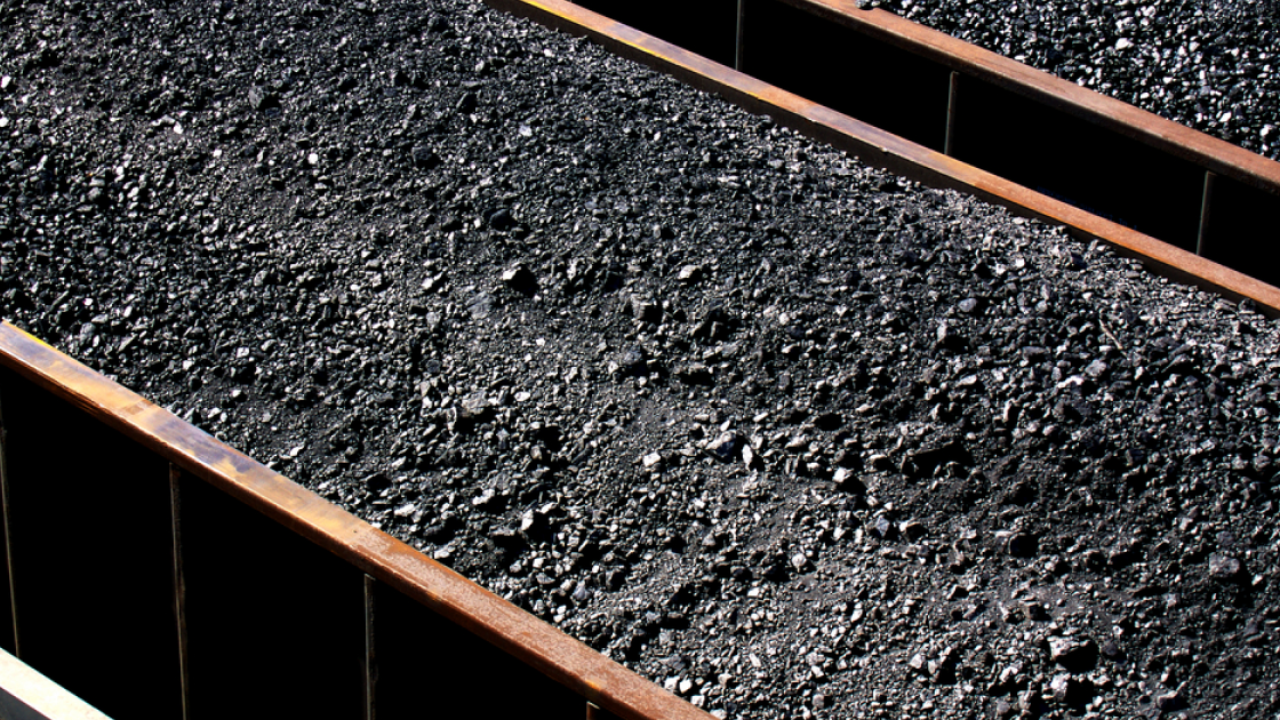
A total of 1,004,800 tonnes of coal, offered in 157 lots, was put up for auction, generating a total transaction value of $153.73 million. The final price was $25 per tonne above the initial offer, indicating strong buyer interest in the product.
During the 11:00 a.m. trading session on October 6, the state-owned Erdenes Critical Minerals also offered iron concentrate with an iron content of 65%. The product had an initial asking price of $85 per tonne and closed at $90 per tonne, representing a 5.9% increase. The total value of the transaction amounted to approximately $297,000.
Meanwhile, Tavantolgoi JSC’s washed non-coking coal was offered at an initial price of $65 per tonne and closed at the same price. The transaction generated a total value of approximately $20.8 million.
The trading results demonstrate the differences in demand, product quality and market valuation among Mongolia’s key mineral commodities within a single trading day. In particular, the fact that buyers bid above the initial prices for weak coking coal and high-grade iron concentrate points to relatively strong demand for these products.
One of the key functions of the Mongolian Mining Exchange is to establish commodity prices through transparent market-based mechanisms driven by actual supply and demand. Historically, the sale of mineral products in Mongolia has relied heavily on contractual arrangements, long-term agreements and negotiations with individual buyers. As exchange-based trading expands, however, the price discovery process is becoming increasingly transparent and market-oriented.
The October 7 trading schedule also includes washed hard coking coal offered by Energy Resources LLC at an initial price of CNY 1,150 per tonne. The product is designated for delivery toward the Gantsmod border crossing and will be offered in two lots totaling 6,400 tonnes.
In addition, Erdenes Critical Minerals is scheduled to offer 3,300 tonnes of iron ore with an Fe content of 52%, with an initial asking price of $65 per tonne.
An important factor is that trading on the Mongolian Mining Exchange is not solely a mechanism for determining domestic prices. For export-oriented commodities, final prices are influenced by a range of external factors, including demand from Chinese buyers, the outlook for steel production, international prices for coking coal and iron ore, throughput capacity at border crossings such as Gantsmod, and transportation costs.
For coking coal, the outlook for China’s steel industry remains one of the most important market drivers. When steel mills experience stronger profitability and increase production, demand for coking coal can rise accordingly. Conversely, weaker steel production can place downward pressure on coal prices.
For iron ore and concentrates, iron content is a major determinant of product value. The higher price achieved by the 65% Fe concentrate compared with lower-grade iron ore reflects the significant impact of product quality on market valuation.
The Mongolian Mining Exchange’s trading system provides transparent information on product specifications, initial prices, lot sizes, delivery destinations and final transaction results. This is contributing to a more accessible and reliable market information environment for Mongolia’s mining and export sectors.
As trading volumes on the exchange continue to expand, prices for Mongolian mineral products could become increasingly linked to international market conditions. This would provide exporters and producers with more reliable market signals for planning production, sales and transportation operations.
The continued development of exchange-based trading is therefore expected to play an important role in strengthening price transparency, improving market efficiency and establishing a more market-driven pricing mechanism for Mongolia’s mineral exports.